What Shenzhen actually eats
Bryan Wang
· 6 min read
Shenzhen is younger than many of the people eating dinner in it. There was no century of grandmothers here refining a local dish; the city assembled itself inside one generation, out of arrivals from every province in China. About two in three people who live here are still registered somewhere else. That is a dry statistic right up until you are hungry, when it becomes the most useful fact in the city: everybody brought their food with them.
So the honest answer to "what is Shenzhen's local dish" is a counter-question — which China do you want? You can cross most of the country's food map without leaving one metro line: Cantonese at this exit, Hunan at the next, Chaoshan around the corner, Korean upstairs, sourdough across the road. What follows is that map, in the order a first visit usually meets it. Every photo is a meal we actually ate.
The base layer is Cantonese
Underneath everything imported, Shenzhen sits in Guangdong, and the default register of its cooking is Cantonese: restraint, freshness, dishes built to taste of their main ingredient rather than their sauce. The version you will meet first is white-cut chicken — a whole bird poached gently, rested, chopped, and served barely warm with ginger-scallion oil and rice cooked in the poaching stock.
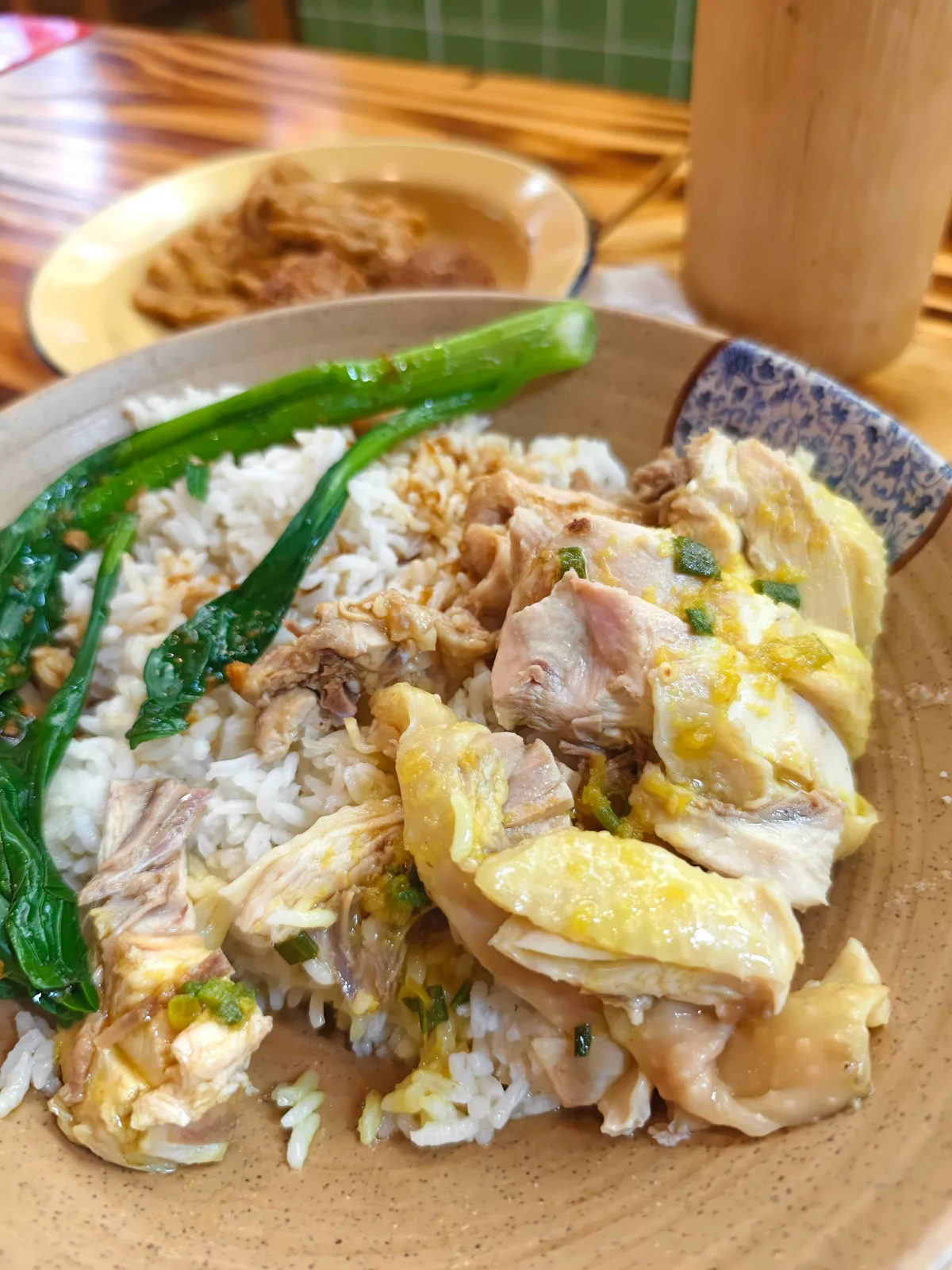
It looks like the simplest thing on the menu, and it is the dish cooks get judged on. If the chicken is right, everything else at that shop will be right too — locals use it the way you might use an espresso to judge a café.
The other Cantonese institution is breakfast, taken seriously: congee cooked long enough to lose the shape of the rice, and chángfěn — rice noodle rolls steamed to order and folded around egg or beef under sweet soy. Morning food here is its own culture with its own pace, which is exactly why we built a morning with a buddy around nothing else.
Then the whole country moved in
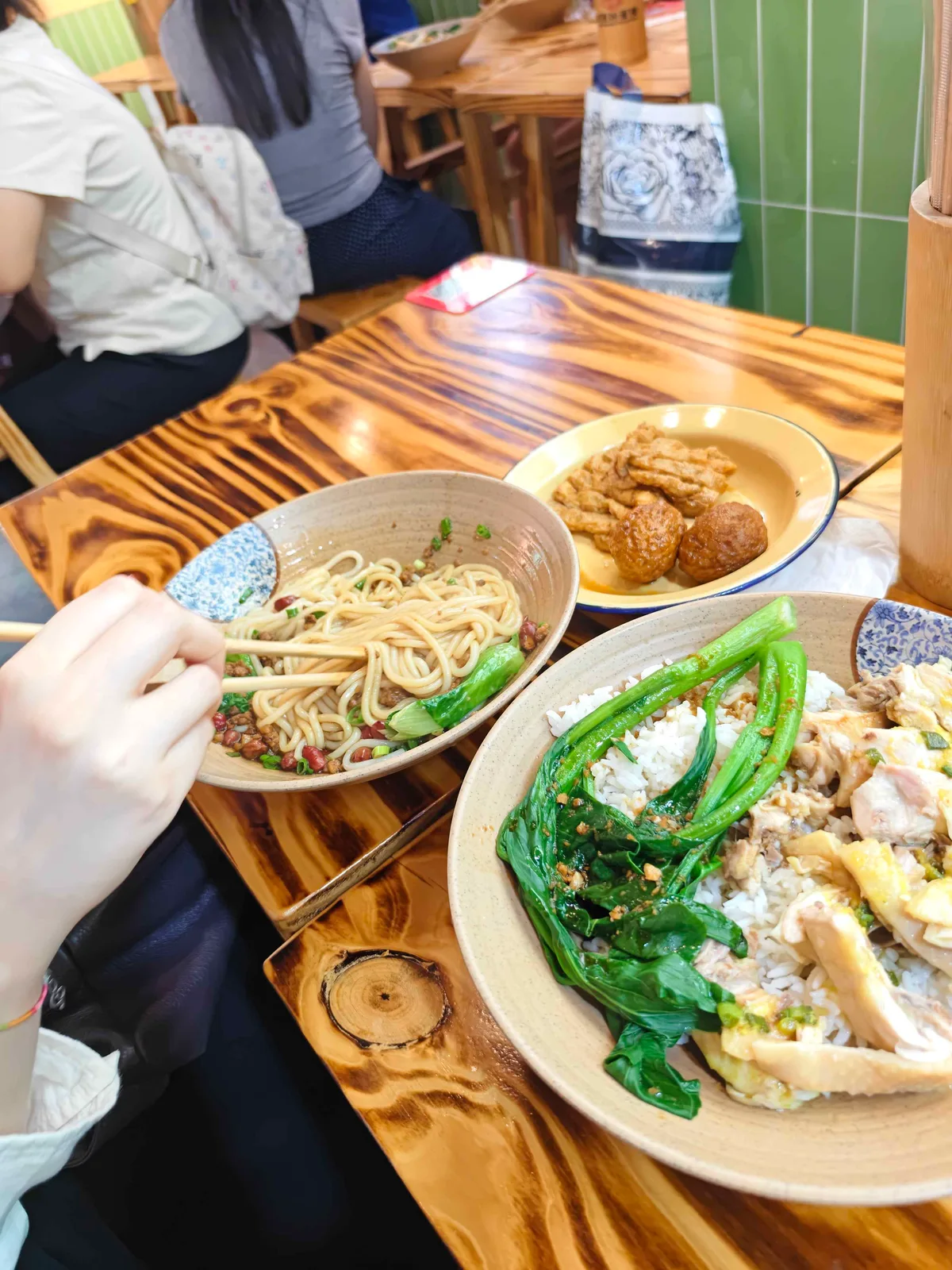
Walk out of the Cantonese place and the next three doors will disagree with it. Hunan kitchens sling chilli oil over noodles. Chaoshan shops braise pork trotters over rice for the working lunch. Sichuan places number their spice levels with what can only be called optimism. None of it is fusion — each shop cooks its own province straight, for homesick regulars who would notice if it didn't.
The map does not stop at China's borders, either. Shenzhen's Korean and Japanese communities are large enough to support the real thing rather than the themed version — you can follow tteokbokki with Cantonese congee inside one block and nobody finds it strange.
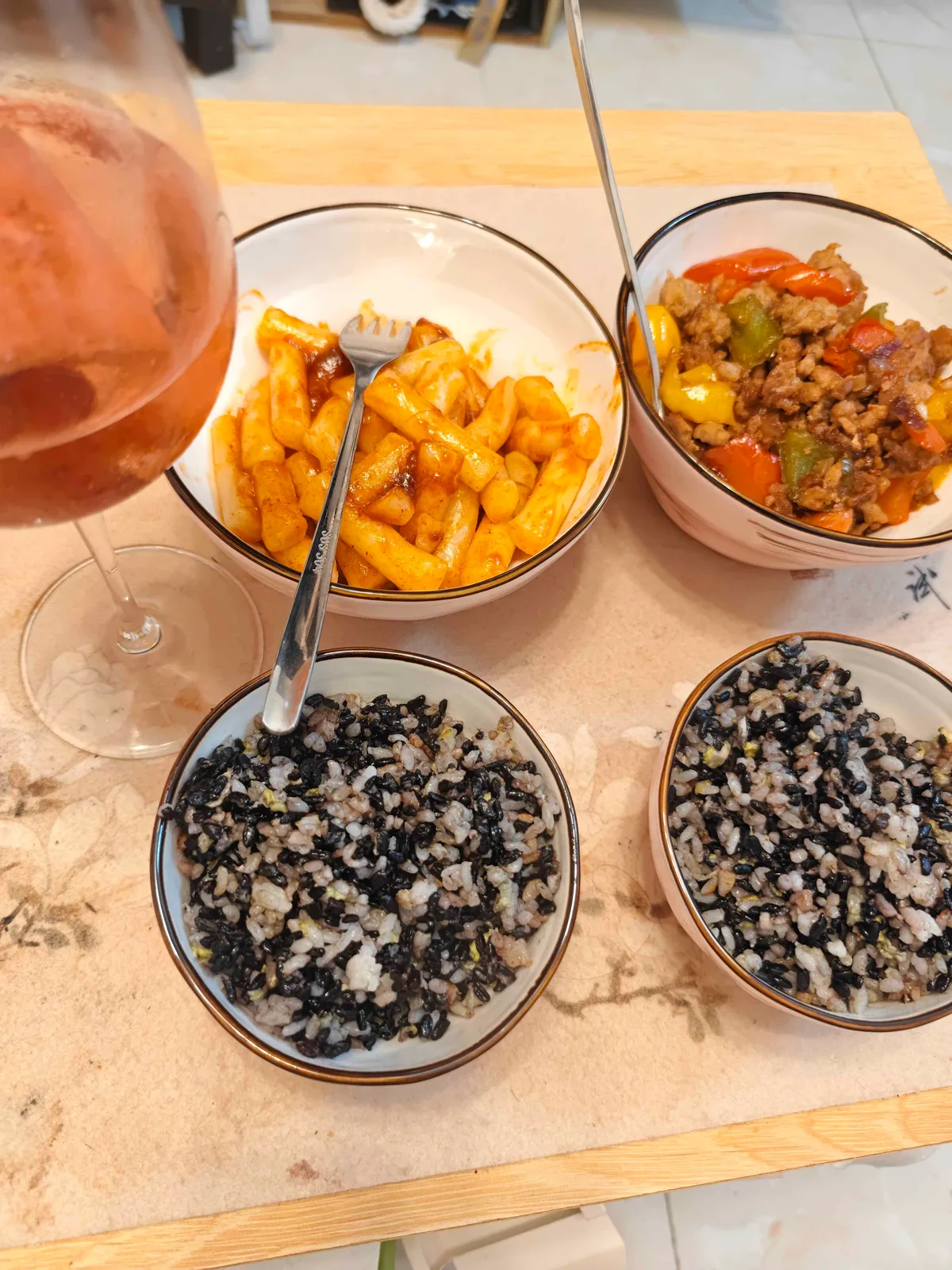
Twelve million people arrived from somewhere else and brought dinner.
Summer is crayfish season
From late spring into autumn — roughly May to October, at their fattest in high summer — Shenzhen's night tables fill with xiǎolóngxiā: freshwater crayfish by the kilo, in garlic broth or chilli butter, eaten with plastic gloves, cold beer and no dignity whatsoever. The broth is the point. Order a plate of plain noodles you had not planned on, for the broth.
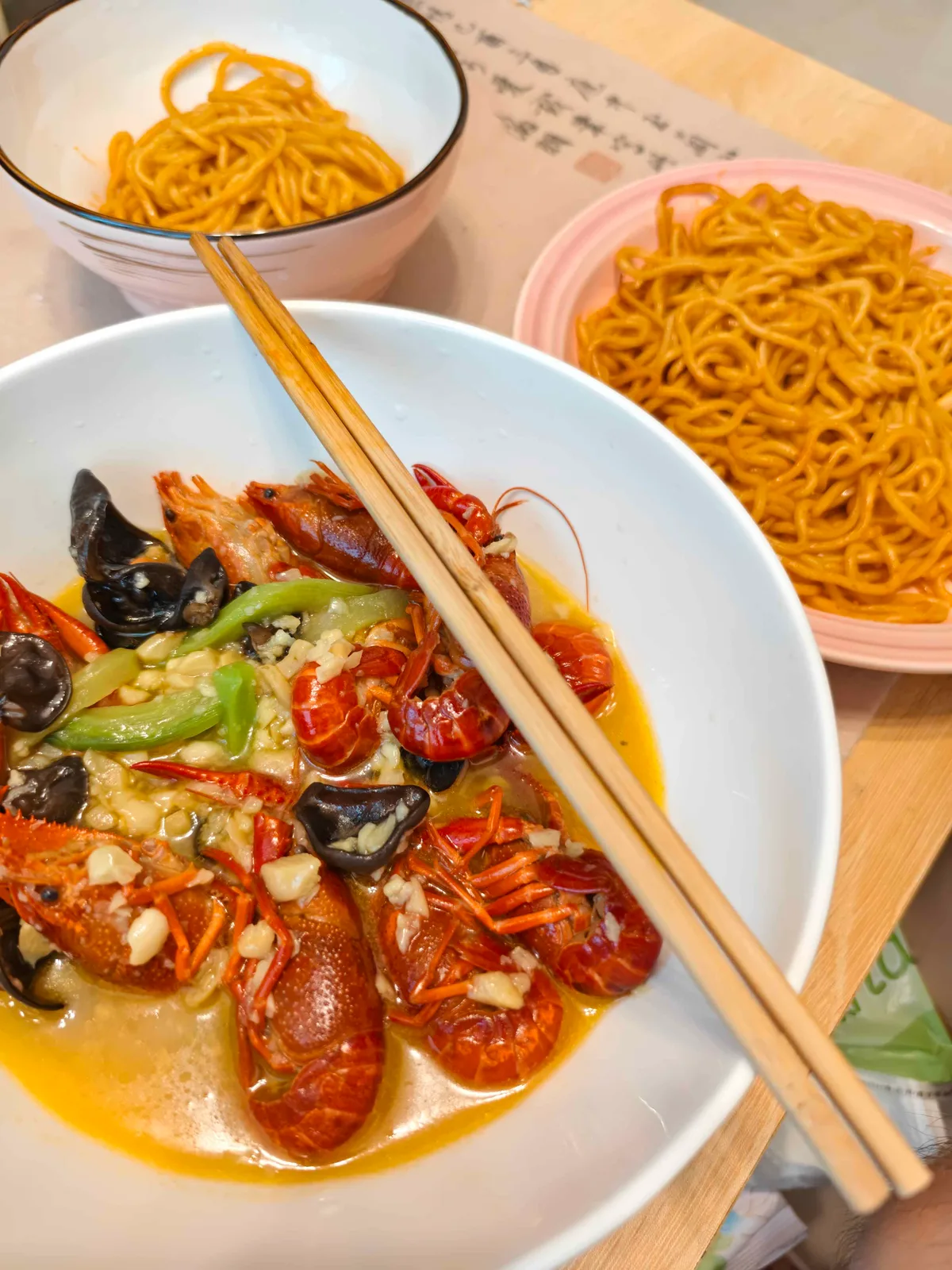
A crayfish table is a social format as much as a meal — slow, messy, and impossible to do while looking at your phone, which is why groups of friends default to it. It is also the single best table in the city to be a guest at, which is why one of our evenings ends at one.
How to read a night market
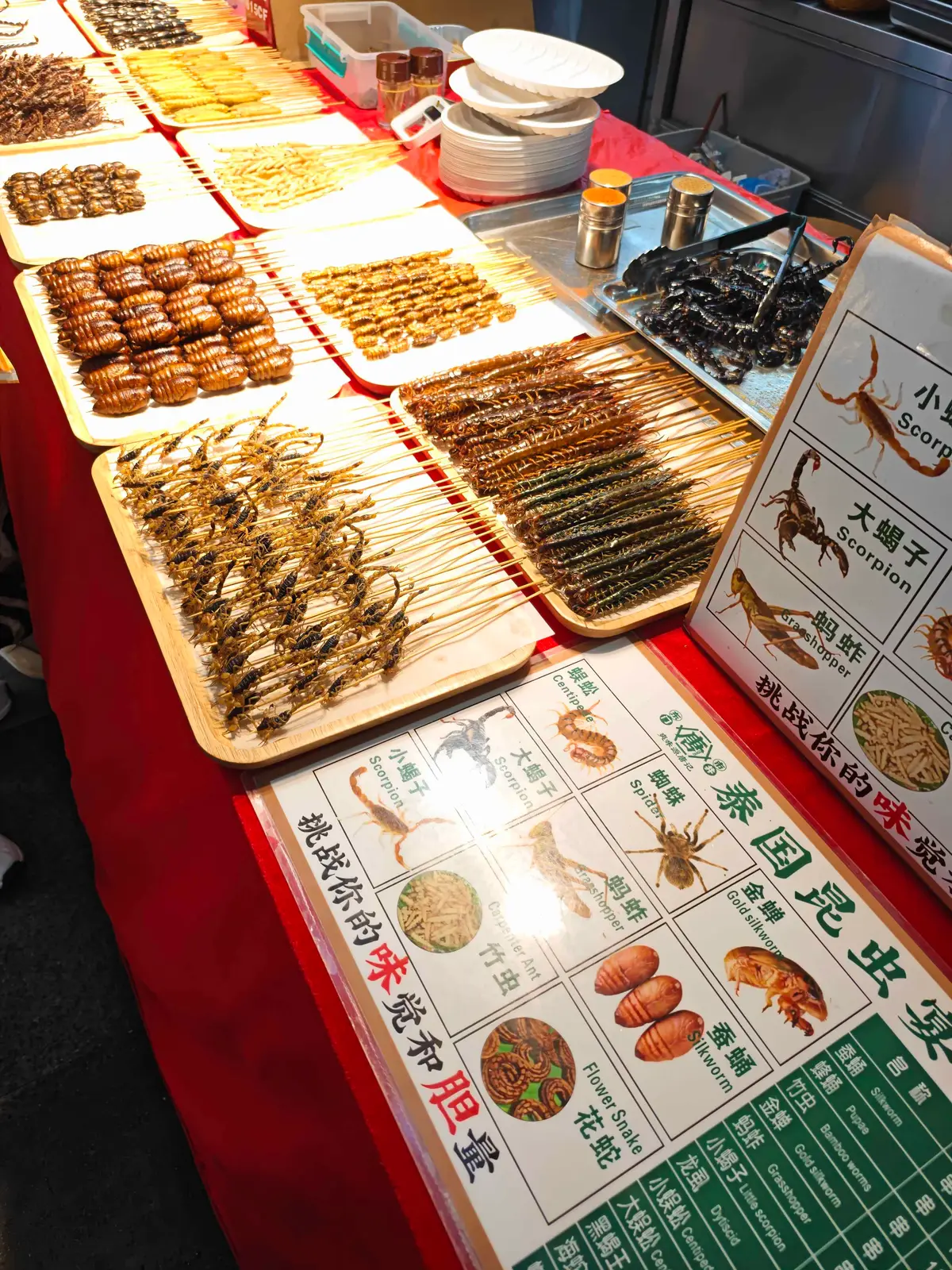
You will find the scorpion skewers, or they will find you. Here is the honest reading: a stall whose price board translates itself into English is a stall aimed at visitors. Locals are two rows over, queueing at something less photogenic — grilled oysters, a griddle of noodles, fruit under syrup. The rule that never misses: eat where the queue is, at the hour the queue forms. A crowd of regulars at noon is a better hygiene certificate than any sticker on the glass.
Dongmen, the old market district, is where the two layers stack on top of each other — the dare stalls and the real ones, a street apart. Telling them apart is half the fun and the whole reason the street-food walk exists.
How the city eats on a Tuesday
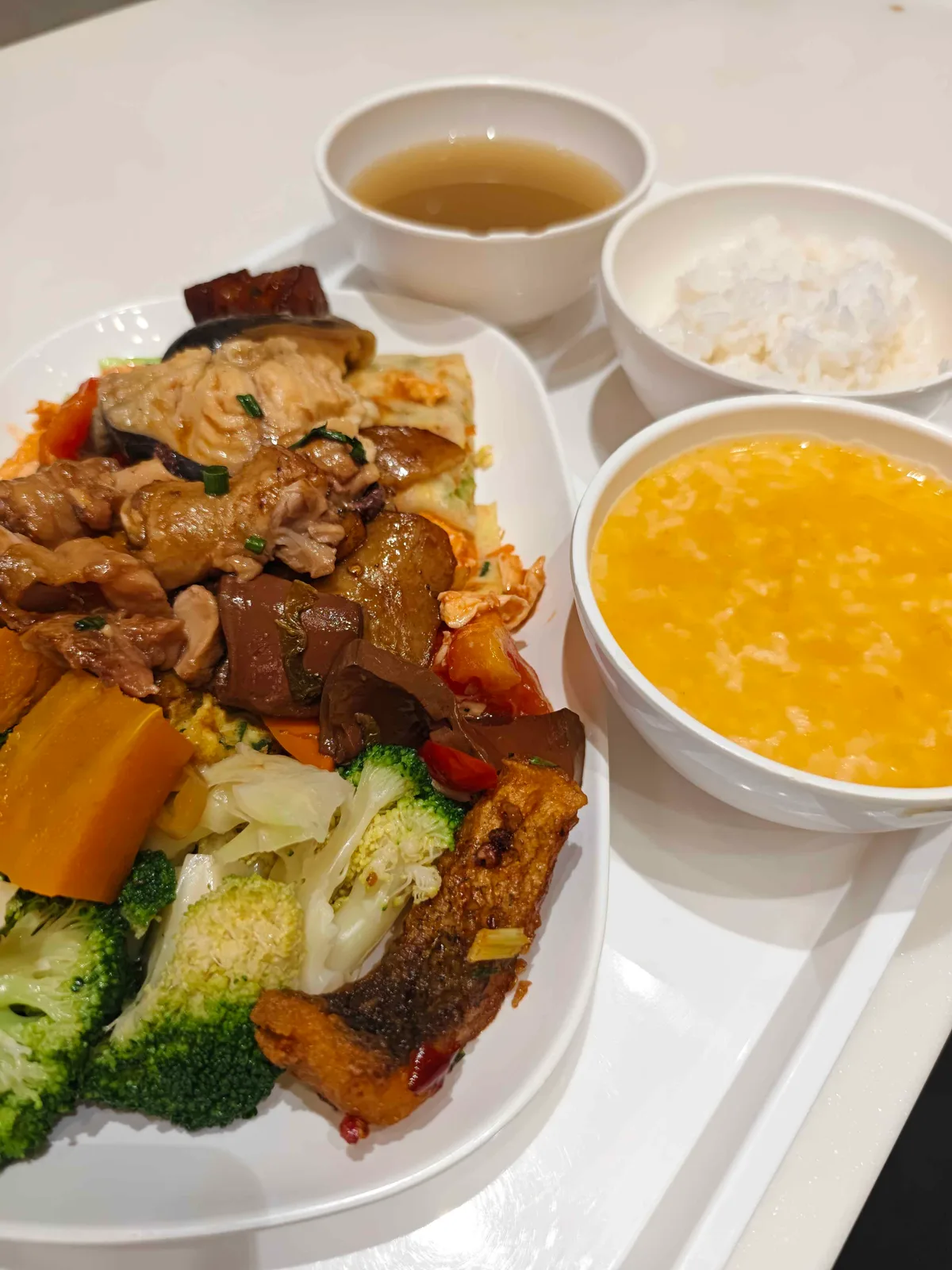
Not every meal is an event. At midday, most of Shenzhen eats in twenty minutes flat: a canteen tray, point at four things, soup thrown in free, back to the office. It is fast food with vegetables and no branding, and it is very good.
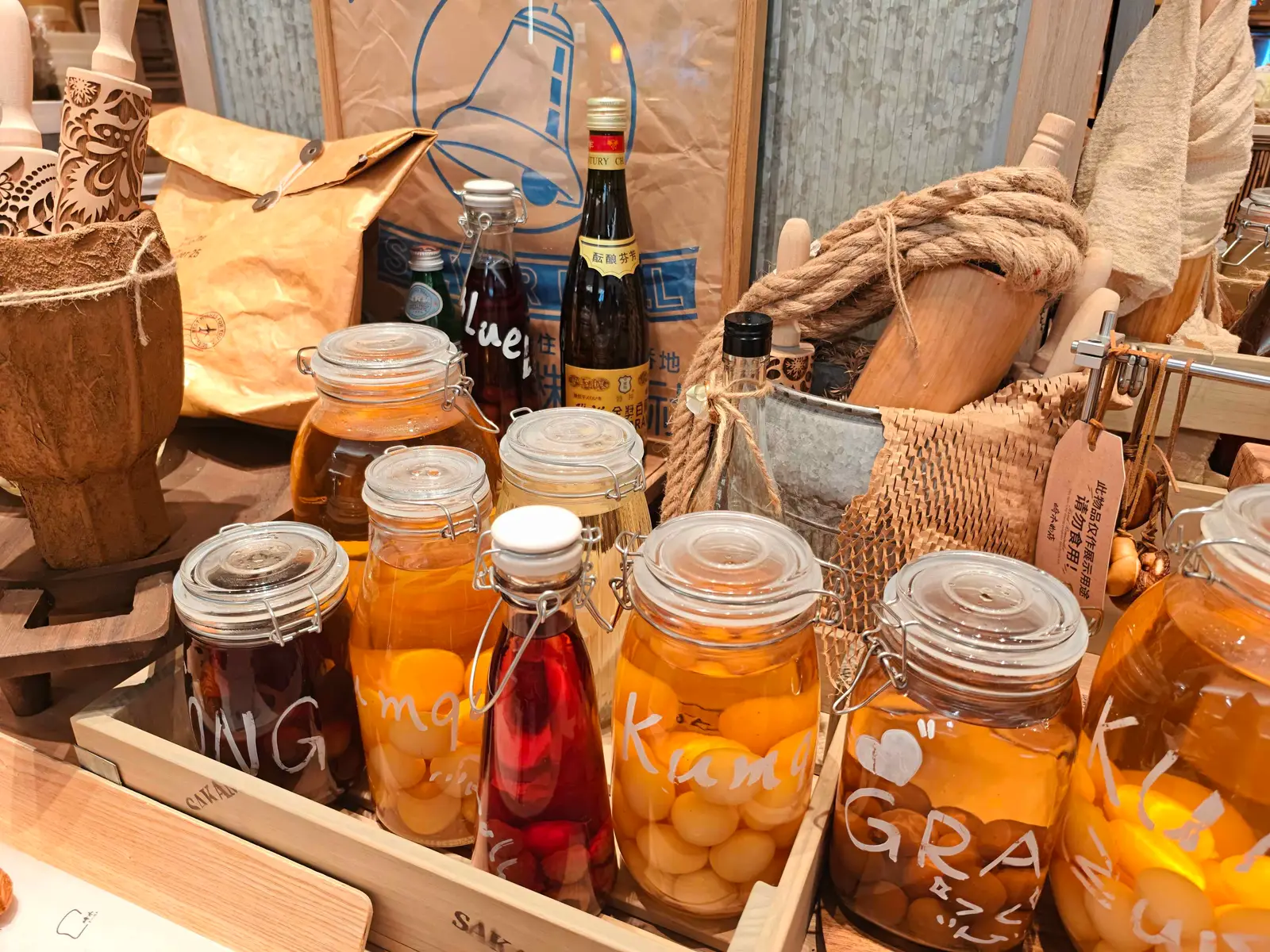
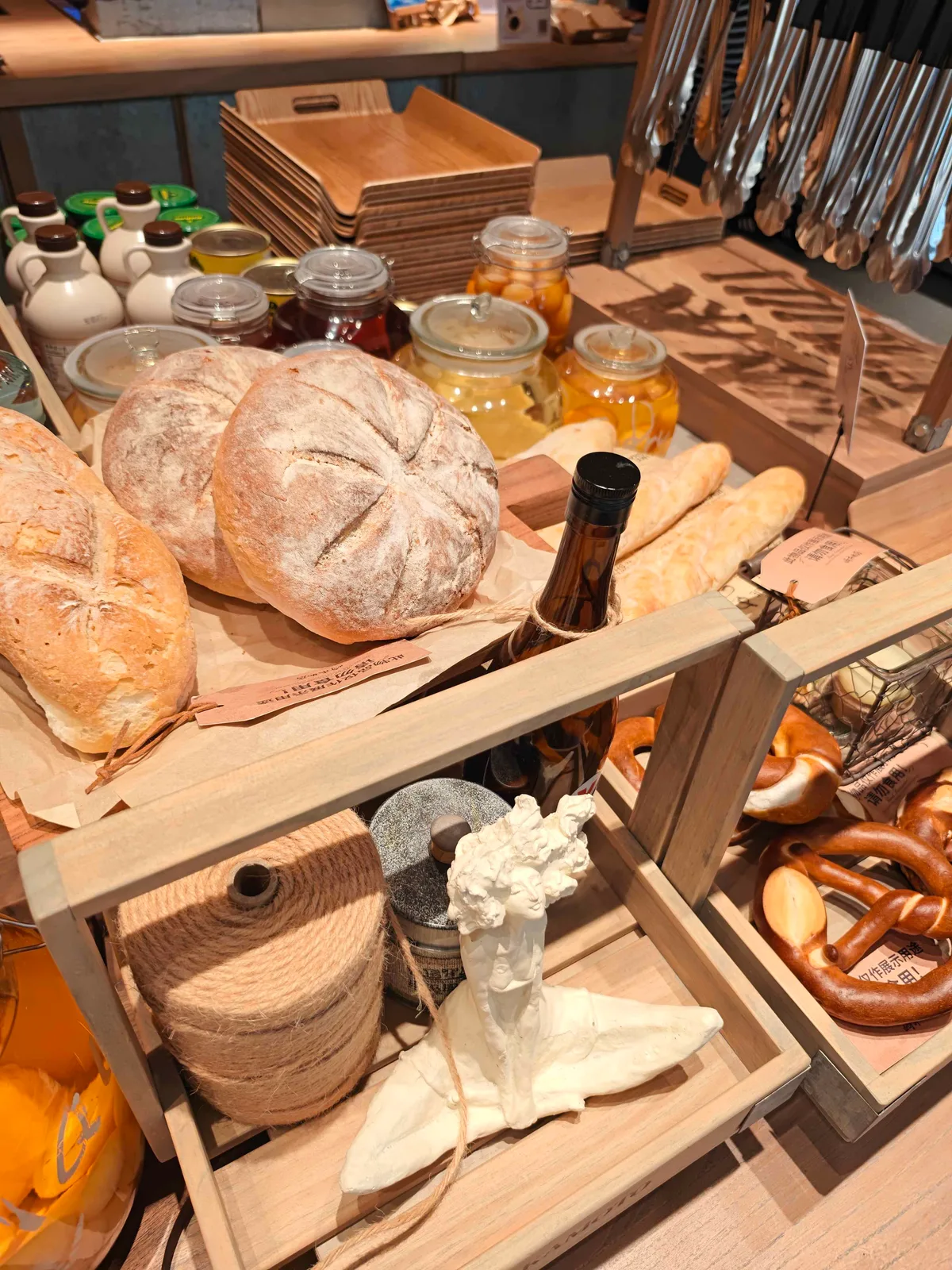
And the newest layer keeps arriving. The bakery scene — proper sourdough, laminated pastry, weekend-morning queues — turned up quietly a few years ago and is now everywhere. Which is what food in this city does: it shows up with a suitcase and stays.
Five plates to anchor a first visit
| Dish | What it is | When |
|---|---|---|
| 白切鸡 · white-cut chicken | Gently poached whole chicken, ginger-scallion oil, rice cooked in the stock | Lunch |
| 肠粉 · rice noodle rolls | Silky steamed rice sheets folded around egg, beef or shrimp, under sweet soy | Breakfast |
| 隆江猪脚饭 · pork trotter rice | Chaoshan-style soy-braised pork knuckle over rice — the migrant working lunch | Lunch |
| 小龙虾 · crayfish | A kilo of them in garlic broth or chilli butter, gloves on, beer open | Summer nights |
| 煲仔饭 · claypot rice | Rice crisped against a hot clay pot under cured sausage and greens | Cooler evenings |
Three practical notes
- Spice: the Cantonese base of the city is barely spicy at all; Hunan and Sichuan places are genuinely hot. 微辣 (wēi là) technically means "mildly spicy" and is the one piece of menu vocabulary that cannot be trusted — order one dish and calibrate before committing to a table of them.
- Ordering: picture menus are everywhere and pointing is a fully accepted ordering method. Nobody is offended. A camera-translate app covers the rest.
- Timing: eat when the city eats. Kitchens surge at noon and again around 18:30, and the good stalls sell out rather than hold stock — a famous breakfast shop at 10:30 is a counter of crumbs.
The best meals we have eaten in Shenzhen were never found. They were pointed at — by someone who had been eating at that table for years. That is more or less the entire premise of this site.
Common questions
What food is Shenzhen famous for?
Shenzhen has no single native dish — the city is too young and too migrant for one. Its base register is Cantonese (white-cut chicken, congee, rice noodle rolls), layered with every regional Chinese cuisine its arrivals brought with them, plus substantial Korean and Japanese food, and a citywide crayfish habit in summer.
Is street food in Shenzhen safe to eat?
Use the rule locals use: eat where the queue is, at the hour the queue forms. High turnover means nothing sits around. Stalls aimed squarely at tourists — English price boards, scorpion skewers — are more of a photo stop than a meal.
When is crayfish season in Shenzhen?
Crayfish (xiaolongxia) run from roughly May to October across China and are at their best in high summer. In season, night tables all over Shenzhen serve them by the kilo in garlic broth or chilli butter.
Is food in Shenzhen very spicy?
Only where it says it is. The Cantonese base of the city is barely spicy at all, while Hunan and Sichuan restaurants are genuinely hot — and menu labels like wei la ("mildly spicy") undersell it. Order one dish first and calibrate.
Can I pay for street food with a foreign card?
Not directly — most stalls take Alipay or WeChat Pay and often nothing else. Both apps accept foreign cards now, but set one up and test a payment before you arrive, because verification can require a working phone number.
Bryan Wang
Co-founder · lives in Shenzhen
Grew up in China, spent eight years in Canada, back in Shenzhen now. Writes the posts about getting into the city because he does the trip both ways more often than he would like.
Read next
Getting around
Hong Kong to Shenzhen: which crossing to use
Six ways to cross from Hong Kong into Shenzhen, where each one drops you, and the one thing to sort out before you leave.
By interest
Shenzhen after dark
Daylight is when Shenzhen works. At night the towers run light shows, the late tables fill up, and the markets keep going. An evening, done properly.
Have a local show you around
Matched on what you are actually into, not on a fixed itinerary.
Have a local show you around